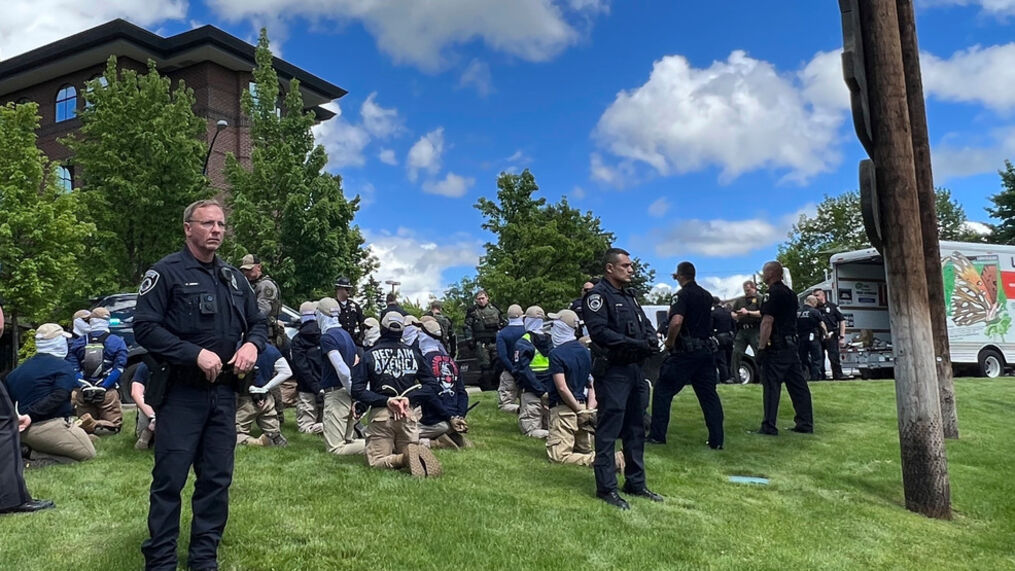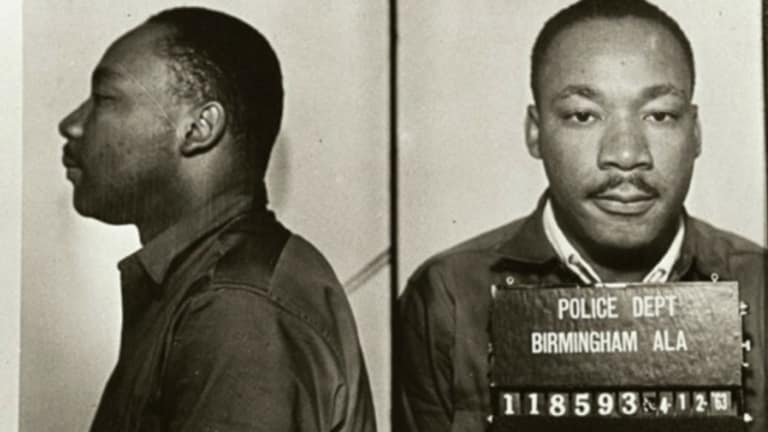
“These right-wing extremist groups — first of all, they’re fed with grievances. And whenever you have a charismatic leader that attracts those with grievances against the institutions, against society, and you blame the government or an institution [for] it, and then you build in the violence and the racial, just hatred aspect of it, it’s just a boiling pot, and it could pour over the pot any time into violence. … It’s something that is part of human nature — that whenever you are aggrieved or you feel like you’re a victim, you try to find somebody to blame or an institution to blame. And if the conspiracy theories are fomented and spread … a certain element of those turn violent.”
Former Arkansas Governor Asa Hutchinson, a GOP presidential candidate polling at 1%
——
On a coal-black Friday night just over 40 years ago – April 8, 1983 to be precise – a group of self-described white supremacists, neo-Nazis, Klan members and Christian nationalists ignited fuel-soaked burlap wrapped around a 20-foot-tall cross in a farmer’s field in southern Idaho.
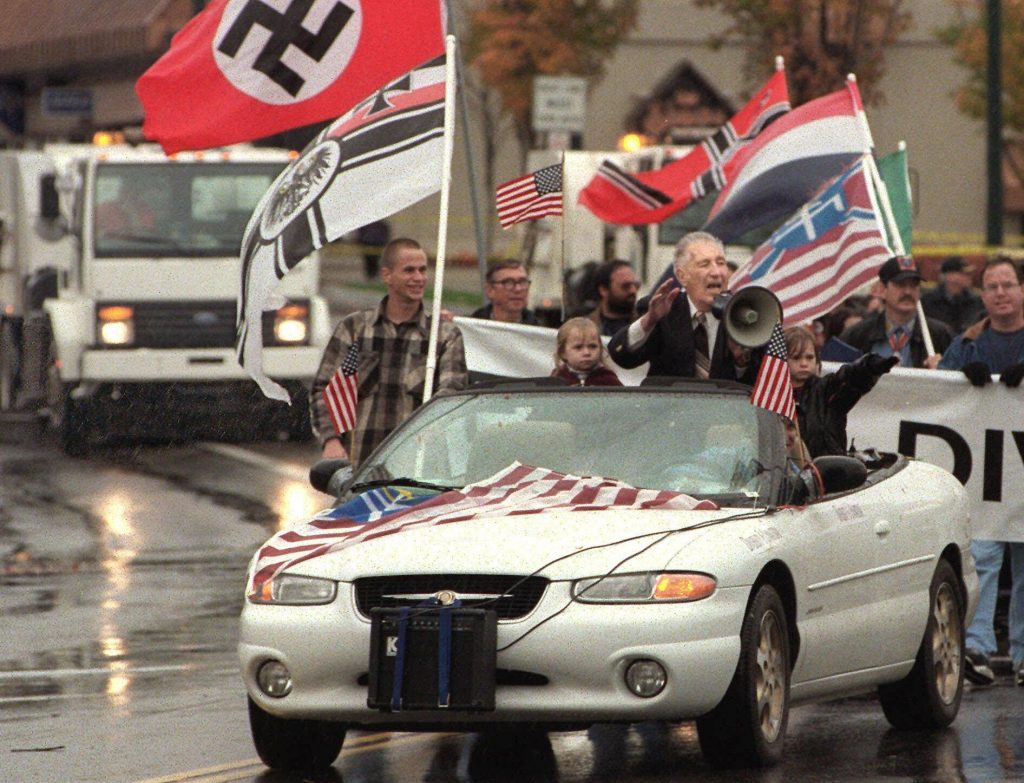
The image of the burning cross may have been more dramatic than the crowd that watched the spectacle. Only about 20 Nazi saluting radicals showed up to shout “white power,” but they symbolized then – and continue to symbolize today – the fraught history of white supremacist hatred that is all too deeply embedded in the DNA of Idaho and much of the Pacific Northwest.
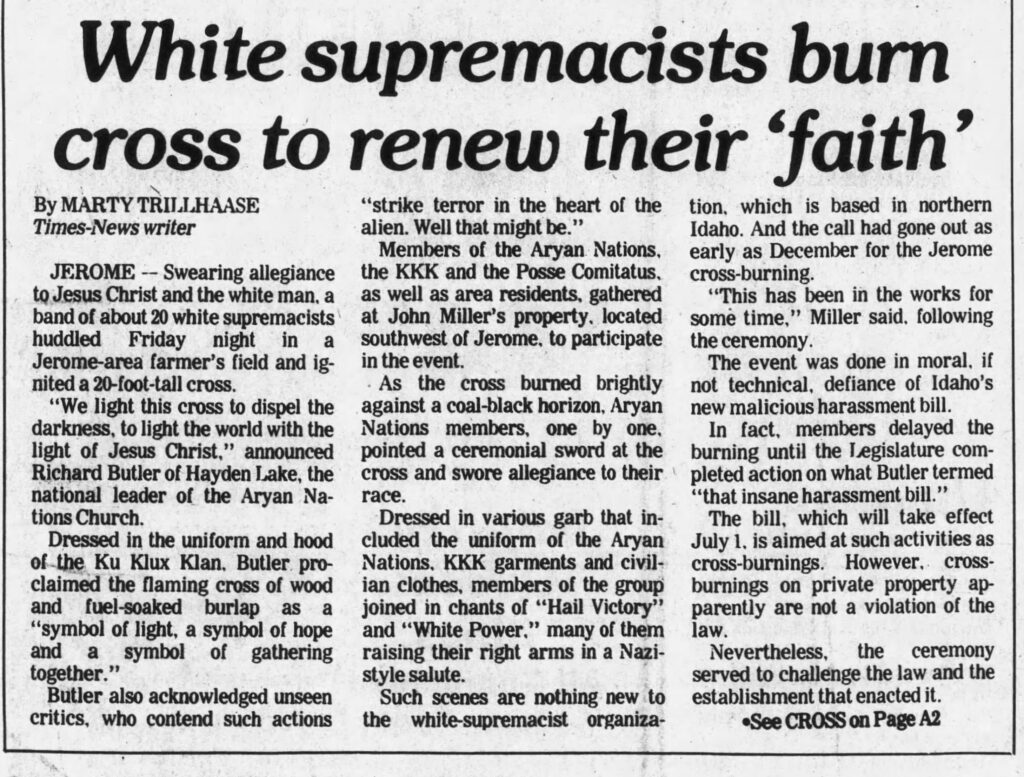
Richard Butler, the dangerous bigot who then led the north Idaho-based Aryan Nations, was dressed that night in Klan robes and made it clear that the cross burning was in response – a moral act, Butler said – to anti-harassment legislation that had recently been approved by the Idaho legislature.
The malicious harassment law did not address a cross burning protest on private land, and the demonstration was on private property, but as the reporter for the Twin Falls Times-News pointed out, “nevertheless, the ceremony served to challenge the law and the establishment that enacted it.”
The more things change.
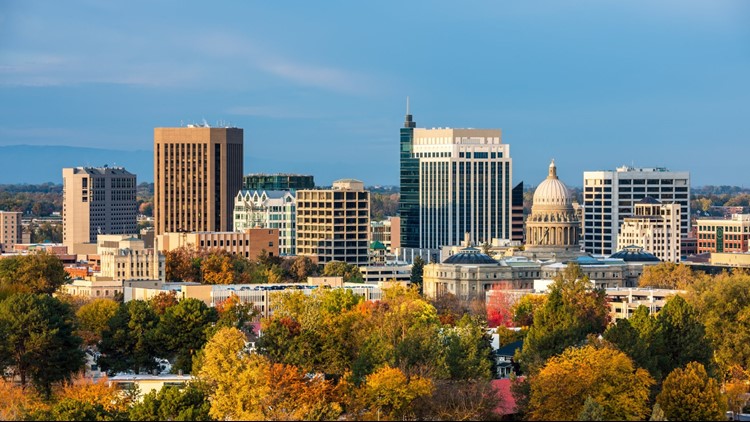
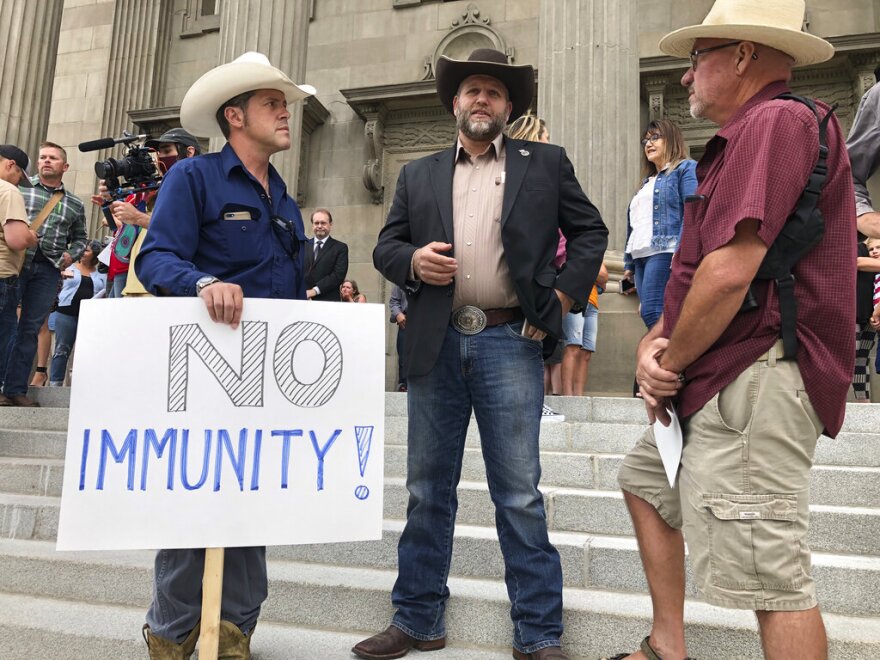
This week, as was demonstrated by legal filings presented to an Idaho court, the state’s rightwing radical of the moment, Ammon Bundy, is defying the law and the establishment that enacted it.
Bundy’s prolonged and complicated legal battle with Idaho’s largest health care system has, according to legal representations made by St. Luke’s Health System, involved witness intimidation, bullying and threats to medical professionals.
The hospital system is suing Bundy because of the intimidating protests he and his followers mounted around the downtown Boise hospital. A child of a Bundy follower was involved in a child welfare case, and as a result the youngster was being cared for at the hospital.
Bundy and his network of followers, the People’s Rights Network – some estimates claim the Network includes 10,000 individuals spread across the American west – have spun the circumstances of the child and the hospital into a conspiracy to infringe on parental rights. This is very much a pretense in search of violence.
As the Idaho Statesman reported, the St. Luke’s “suit claims that the defendants posted lies about the hospital system online and did so in part to raise money and gain a bigger political following.” The hospital says it has spent millions to upgrade security even as health care workers have been threatened and harassed in a variety of ways.
And much as Richard Butler did decades ago, Bundy has flipped a middle finger at the courts and law enforcement by failing to honor demands for material, accept subpoenas and by claiming that he is the one being harassed.
A former Boise police captain filed an affidavit on behalf of the hospital in the Bundy case, saying, “It is my opinion that extremist groups like People’s Rights Network have a playbook that involves the intentional use of misinformation and disinformation to radicalize others to take action, including violent action, against individuals identified by the extremist group.”
If you wonder just what Bundy and his band are capable of recall the armed standoff at the Oregon wildlife refuge in 2016. Or the earlier defiance of federal law at Bundy’s father’s ranch in Nevada. Or the demonstrations designed to intimidate and frighten police and elected officials. Who knows what the man’s end game might be, but his history tells us he’s capable of even more and bigger outrages, including violence.
Meanwhile, Idaho is again defined, as it was 40 years ago, as a hateful haven for anti-government radicals who barely bother to disguise the violence lurking beneath their sheets or brewing under their ridiculously large cowboy hats.
What is different 40-years on is the willingness, at least on the part of most of the state’s political leadership, to quietly shrug Bundy’s nonsense off. The official silence is deafening.
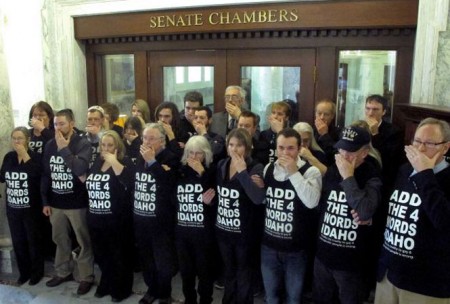
By the time Richard Butler staged his cross burning in the spring of 1983 a bipartisan consensus had formed in Idaho that aggressively and on a sustained basis pushed back against his hatred. A Democratic governor, John Evans, and a Republican attorney general, Jim Jones, regularly condemned the white supremacists. Local groups formed to push back with messages of tolerance and reality. A Republican legislature passed the law referenced earlier. The state’s Human Rights Commission was at the center of the response of decency.
Today, many in the legislature, some even openly, identify with Bundy and his anti-government, conspiracy-driven radicalism. The attorney general openly courts the radical right. The governor apparently believes silence will just make the outrages go away. The sheriff in the governor’s own home county is intimidated by Bundy and his followers.
Hand it to the hospital executives, the health care workers and their lawyers who have carried the battle against extremism, mostly with little political cover.
The success of a Richard Butler or an Ammon Bundy depends upon intimidation and fear. One of the Idaho cross burners said in 1983, “we’re going to have our redress of grievances one way or the other.” After law enforcement personnel confronted Bundy (before they backed down) he said he was being threatened to the point where “I feel like they are going to keep pushing and pushing until I become what they say I am.”
Butler and his violence prone followers were eventually routed in Idaho by a dogged and sustained effort to hold him to account in the courts and in the court of public opinion. Unless Bundy is confronted in precisely the same way he’ll continue and grow his campaign of fear and intimidation. It’s all he’s got to keep his followers riled up and armed.
And like Butler four decades ago, Bundy is also playing a long game.
On that long ago night as the disgusting cross-burning crowd dispersed in southern Idaho, the Times-News noted the bigots “were cheered by the fact that the glowing cross … had attracted a steady stream of car-bound sightseers.”
Most of the gawkers appeared to be teenagers and, as one of the white supremacist said, “that’s OK.”
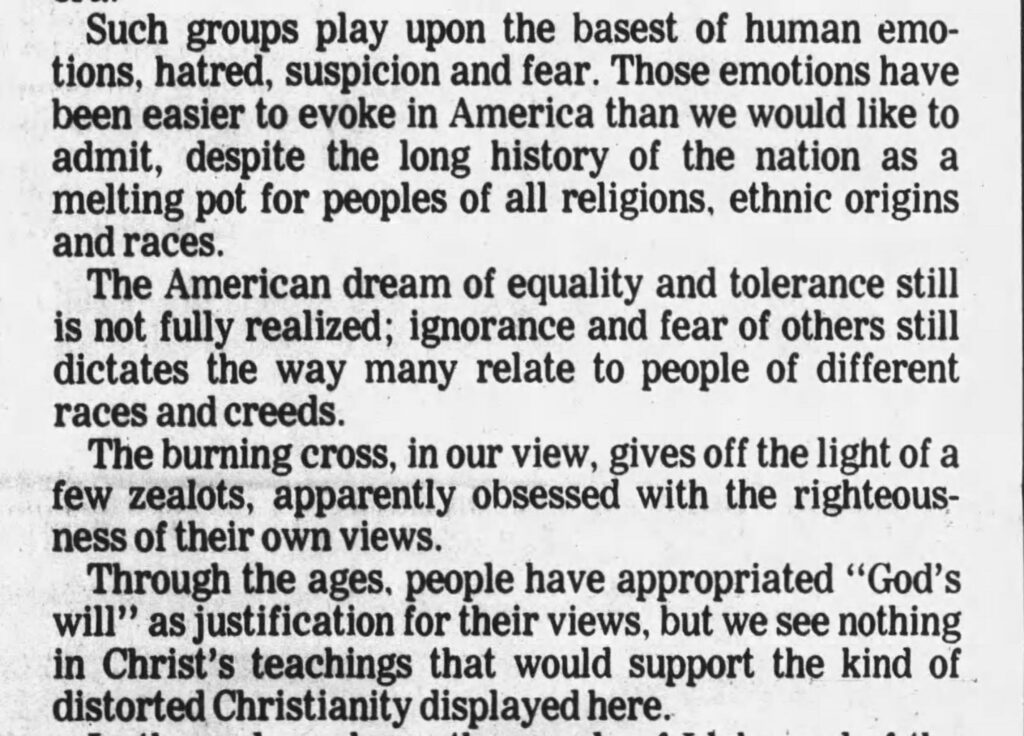
A Twin Falls Times-News editorial shortly after the southern Idaho cross burning in 1983
Additional Reading:
Republicans ‘glorify political violence’ by embracing extreme gun culture
Continuing the theme …
“Republicans in Idaho have been criticized for ‘glorifying political violence’ after the party hosted Kyle Rittenhouse, the American who shot and killed two people at an anti-racism protest and injured another, as a celebrity guest at a fundraiser.
“The 20-year-old was the guest of honor at a Bonneville county Republican party event, in Idaho Falls, Idaho, on 15 April, where an AR-15 style rifle signed by Rittenhouse was auctioned off as part of a fundraiser and people could buy tickets to ‘Trigger time‘: a Rittenhouse-hosted shooting event at a gun range.”
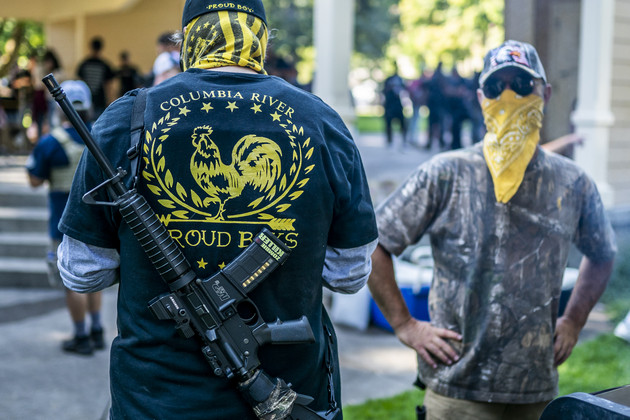
Proud Boys members convicted – 3 reads on the group and right-wing extremist white nationalism
“[T]he more committed members of these and other extreme right-wing groups believe that the U.S. government, as currently constituted, is illegitimate and should be overthrown and replaced with one that is based on white supremacy.”
We should be concerned … really concerned.
The Judge Who Sentenced the Rosenbergs
A new biography of the controversial judge who sent a couple to the electric chair.
“Foremost for any biographer, [Martin] Siegel examines [Irving] Kaufman’s conduct in the Rosenberg case. In total, it’s a disturbing portrait. Kaufman lobbied to try the case, exercised his discretion at times to support the government at trial, and sentenced Ethel Rosenberg to die even though her role in the conspiracy was minor. The judge also engaged in improper ex parte—private, one-sided—discussions with prosecutors during the trial. However, this was not known until the 1970s, more than two decades after the Rosenbergs were executed.”
From The Washington Monthly.
Thanks for reading. Be careful out there. Vote …